
Demand across the UK heating, ventilation and air conditioning sector is being supported by several forces at once. Customers still need essential repair and maintenance. Building owners are under pressure to improve energy performance. Low-carbon heating is moving further into the mainstream.
At the same time, regulation and the shortage of experienced technical people are making proven operators harder to replicate.
For owners of well-run HVAC businesses, that combination deserves attention. It does not mean every company will command a premium, nor that a sale should be rushed. It does mean there is a credible strategic case for assessing the market while demand, technical capability and recurring service income remain important to trade and investment buyers.
Demand is broader than new installation
The HVAC market is sometimes discussed as if it depends entirely on construction cycles. In practice, a strong operator can serve a much wider mix of needs: planned maintenance, emergency repair, compliance work, plant replacement, ventilation upgrades, controls optimisation and energy-efficiency projects.
Much of that work is difficult to defer indefinitely. Heating, cooling and ventilation systems support safe, comfortable and productive buildings. When equipment fails, customers need a dependable response. When a landlord, facilities manager or business owner is trying to reduce energy use, the quality of the contractor matters as much as the equipment itself.
That breadth can give established HVAC companies a more resilient demand profile than businesses reliant on one-off installations alone, particularly where revenue is spread across planned preventative maintenance contracts and a diverse customer base.
Low-carbon heating is creating a long-term workload
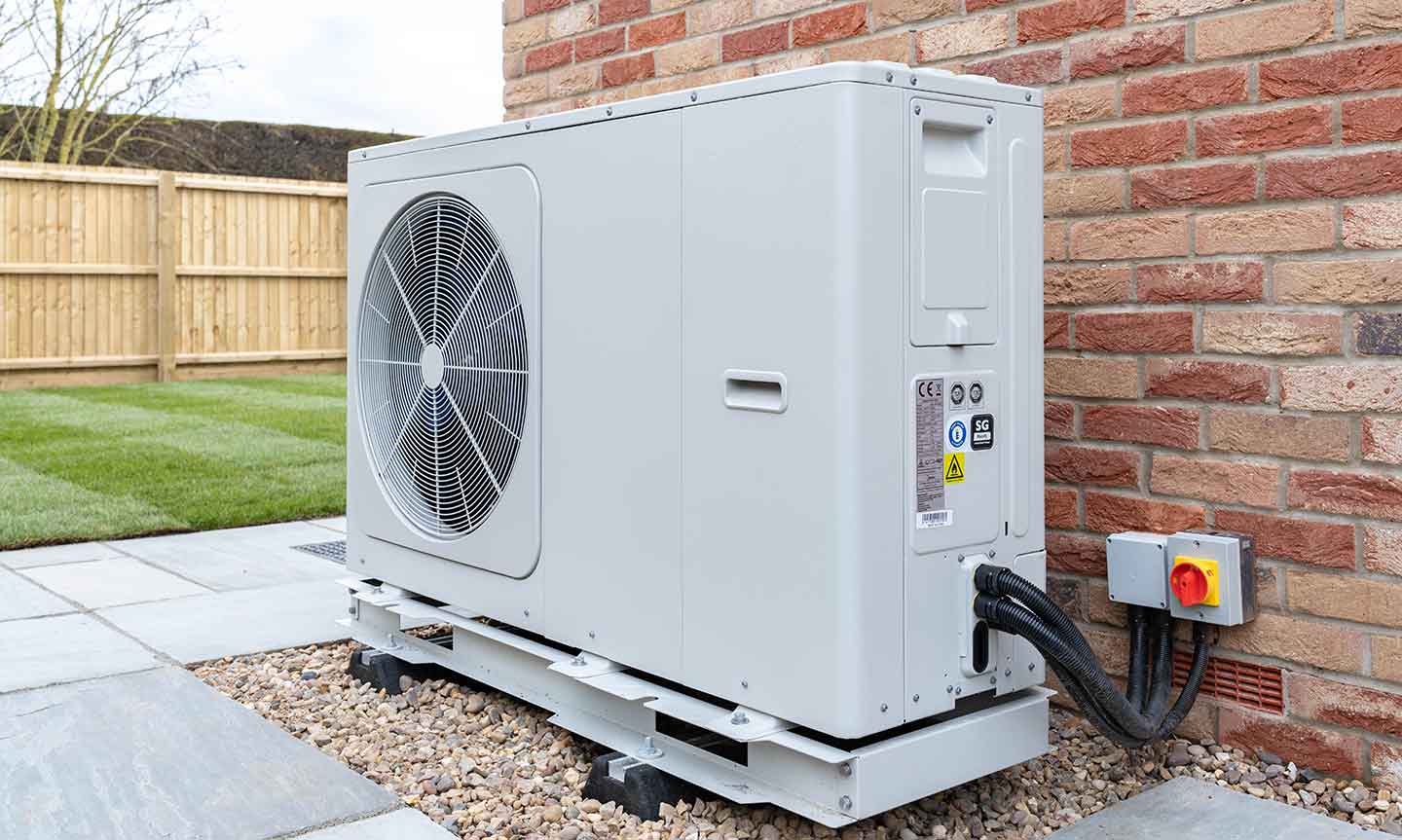
The transition to lower-carbon buildings is adding a further layer of demand. MCS reported a record year for certified small-scale renewables in 2024, with heat pump installations rising sharply. The Boiler Upgrade Scheme continues to provide a route for eligible property owners to reduce the upfront cost of installing low-carbon heating. The direction of travel in new-build standards also points towards buildings that use less energy and rely less on fossil-fuel heating.
For HVAC contractors, the opportunity is not limited to fitting a unit. Good outcomes depend on survey work, system design, controls, commissioning, maintenance and customer education. Businesses that can combine conventional HVAC expertise with low-carbon capability are therefore building skills that buyers may struggle to create quickly from scratch.
Regulation raises the value of competence
HVAC is a regulated and technically demanding sector. Work involving fluorinated gases requires the right organisational and individual certification, while customers increasingly expect clear evidence of competence, safety and environmental compliance. Requirements can change over time, so training, record keeping and quality assurance are part of the operating model, not an optional extra.
This creates a barrier to entry. A buyer can purchase vans and tools, but it cannot instantly reproduce a capable engineering team, recognised accreditations, embedded processes and trusted customer relationships. Where these assets are genuinely established and transferable, they can strengthen the strategic value of a business.
Skilled people remain a scarce asset
The wider construction and building-services economy continues to face a substantial recruitment need. For HVAC businesses, experienced engineers, estimators, project managers and service coordinators are central to delivery. A company that retains good people, develops apprentices and does not depend entirely on the owner can be more attractive to an acquirer looking for immediate operational capacity.
That last point matters. Buyers are rarely paying only for this year’s profit. They are assessing how reliably the business can keep trading after a change of ownership. A stable second tier of management, documented processes and strong staff retention can make the difference between interest and a credible offer.
Why buyers may be looking now
The same market forces that create work for contractors can also create acquisition demand. A trade buyer may want regional coverage, additional engineering capacity, specialist accreditations or access to a valuable customer base. An investor may be attracted by recurring service revenue and the opportunity to build scale through complementary acquisitions.
For the right HVAC company, an acquisition can be faster and less risky than organic expansion. That is the central reason an owner should consider testing the market: not because the sector is fashionable, but because a proven platform may solve a practical growth problem for a buyer.
What will support valuation
Sector demand creates the backdrop. The individual company still determines the outcome. Buyers will look closely at:
- The quality and length of maintenance contracts and the proportion of recurring revenue;
- Customer concentration, retention and the strength of the forward order book;
- Gross margin by service line and the consistency of cash conversion;
- Engineer retention, qualifications, accreditations and compliance records;
- The extent to which customer relationships and day-to-day decisions depend on the owner; and
- The company’s position in growth areas such as heat pumps, controls, energy optimisation and indoor air quality.
Preparation matters more than timing the peak
No owner can identify the perfect week to sell a business. A better question is whether the company is ready to be assessed. Clean management accounts, credible forecasts, organised contracts, clear compliance records and a practical succession plan all help a buyer understand the opportunity and reduce perceived risk.
Owners should also be clear about what they want from a transaction. That might be a complete exit, a phased handover, investment for growth or access to a larger group. The right route depends on personal objectives as well as market conditions.
A sensible time to take advice
The current HVAC landscape is giving established operators several reasons to review their options. Essential maintenance demand, low-carbon investment, regulation and limited technical capacity can all support buyer interest. However, the strongest results come from matching that market context with a business that is well prepared and demonstrably transferable.
If you are considering an exit in the next 12 to 36 months, an early, evidence-based valuation can show where the business stands today and what could improve its position before going to market. That conversation does not commit you to a sale. It gives you the commercial information needed to make the decision properly.
Hilton Smythe advises SME owners on valuation, preparation and the sale process. Speak to our team for a confidential discussion about your HVAC business and the options available.